Basement floors can cause a challenge to many homeowners because of the numerous potential problems and issues that affect the flooring choice. Whether you go with cheap durable basement flooring or something elegant, determine if waterproofing basement floors is necessary. Mold and mildew resistant basement flooring options abound. Your choices include laminate flooring, painting your basement floors, linoleum or vinyl flooring over concrete (tiles or rolls), wood, and even tiles. The best basement flooring really depends on you. Our basement flooring recommendations are that you evaluate your basement and your needs, get lots of basement flooring ideas, and proceed.

Do you have a basement that looks like a cave? Changing the flooring in your basement can make your basement look more like a room than a dark, dingy cave. There are lots of basement flooring ideas, all you have dot do is sort through the basement flooring options and make a decision!
What Flooring Option Is Best For Your Basement?
Adding flooring can brighten any room and can create interest and a feeling of being welcome. There are so many flooring options that you can use in the basement to create a room that everyone will love spending time in that the only problem may be trying to decide between the options! Here are some basement flooring recommendations we’ve found through the years and various homes,

Your question, “what is a good flooring for a concrete basement” has many answers, all guided by the basement uses and your needs, your geographic location and basement style. You first need to ask yourself a few questions. What is the basement area going to be used for? Family room? Bedroom or office? A game room perhaps. If it is going to be used for a family room, for example, then you will want to have flooring that is durable and easy to clean. A bedroom or office space does not have to be as easy to clean as a playroom so can handle a different flooring. A game room needs to be durable. Where are you located? In an area with a high water table or tendency for flooding? Is your location dry, leaving you with a water-proof basement? And is the basement subterranean or walk-out? Each basement style will have its own criteria for how the space is going to be used. Determining the use will help you evaluate how much traffic and what kind of activity the room is going to get. Then you can make an informed decision on flooring that will be durable and last for years.
Cracked basement floors may need repairing before you do anything with your do anything further with your basement flooring. Waterproofing the concrete may be important too.

If you need cheap durable basement flooring, you have several different options. You could consider painting basement floors to save money. You could even try a faux finish that will make the concrete or cement look like more expensive stone flooring. Stenciling concrete basement floors can let them look like they have expensive oriental rugs or parquet tiles. Decorating concrete basement floors should not be scary — you never know, your floors could be the envy of the neighborhood! Paint is an easy fix to any decorating problem. And don’t forget that after you paint or stain your floor to take care of sealing the basement floor.
If you are looking for a floor that will turn your basement into a masterpiece, then you may want to consider installing laminate flooring in the basement. Using laminate flooring for basement floors instantly creates a feeling of warmth to a room. Laminate flooring in the basement works great if the basement is a dry space. As long as your concrete or cement basement floor is sealed and free of cracks, you should be able to install most laminate flooring brands.
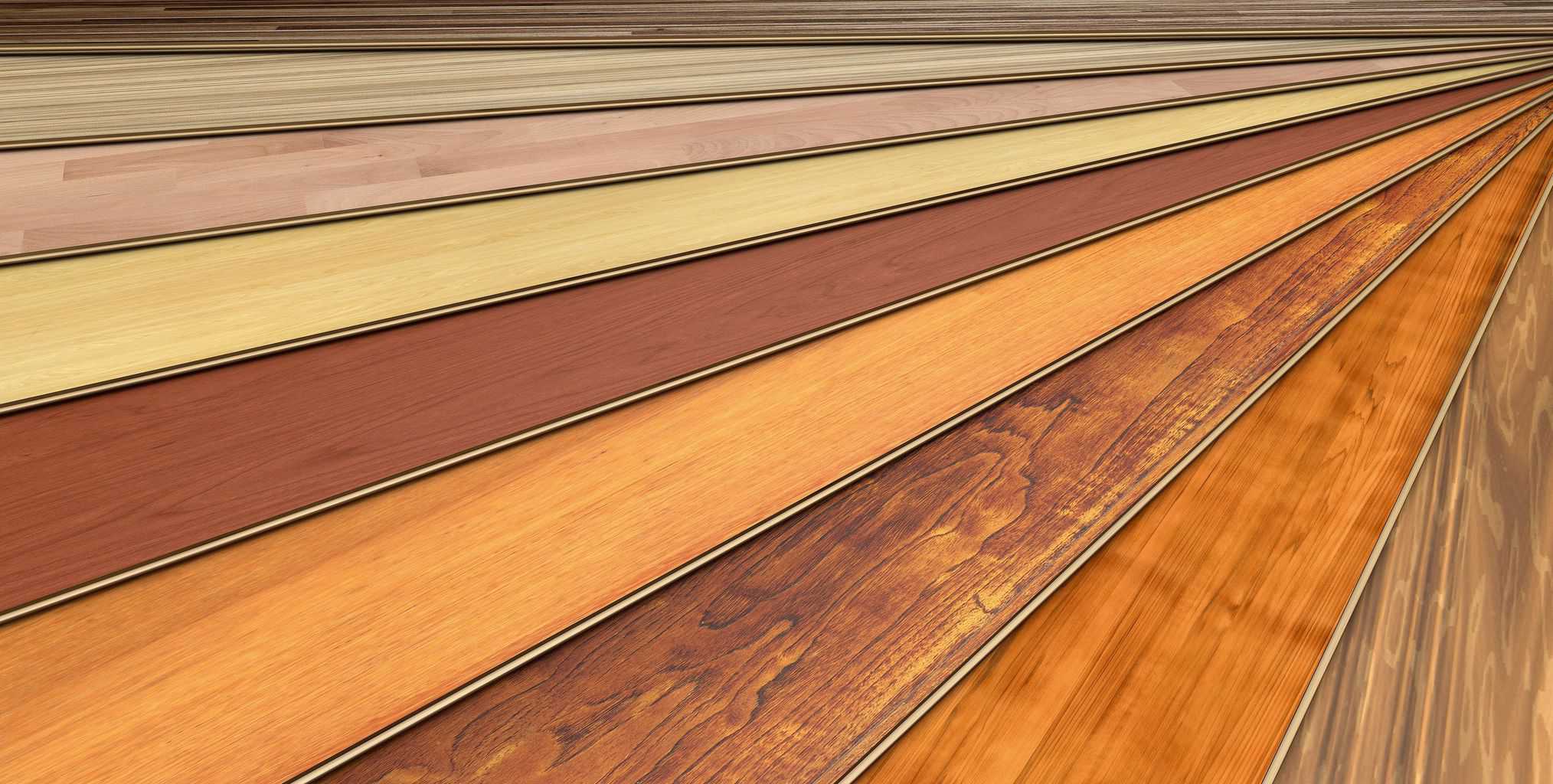
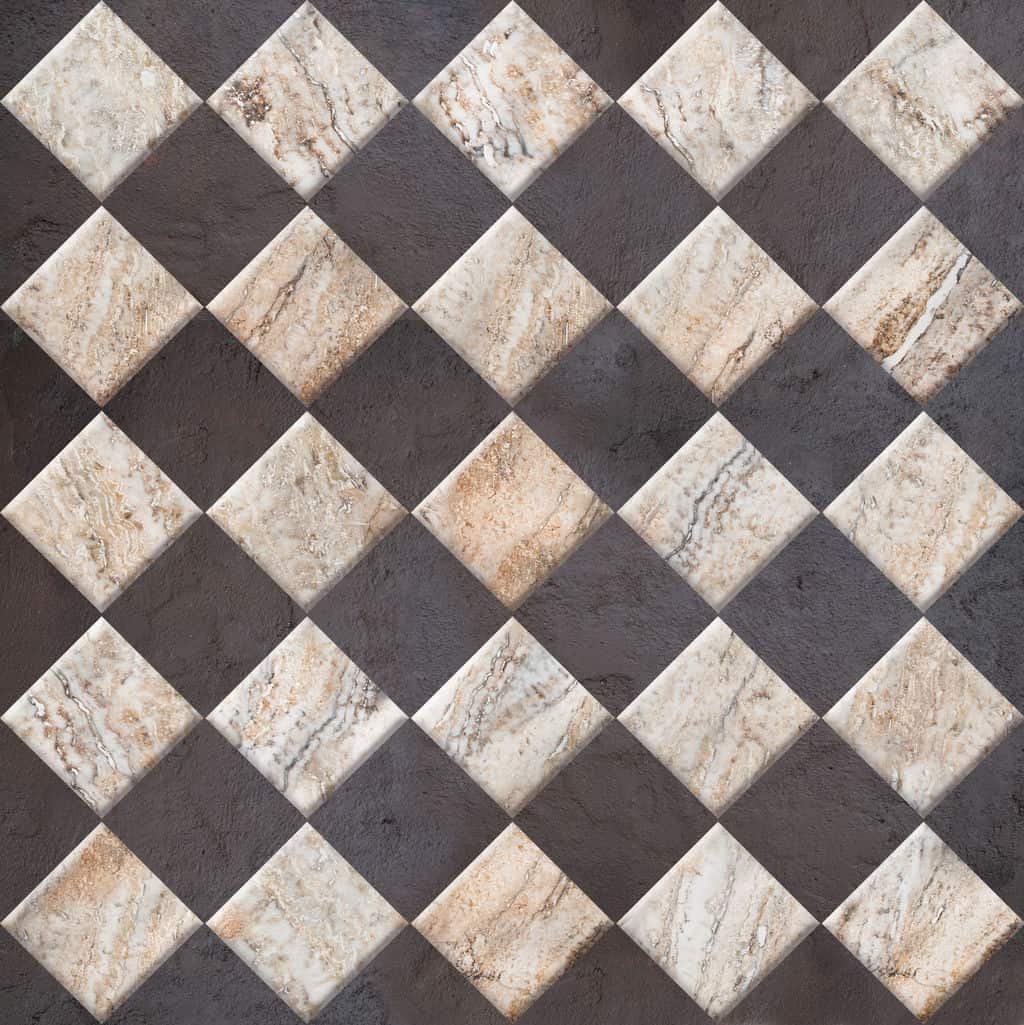
Another option to think about is basement tile flooring. Tile flooring comes in many different colors and materials and you are sure to find the one that will make your basement look great! From peel and stick tile to ceramic tile, you will find the one that is right for you and your budget. You can go with an all-over color, or design a pattern and lay the tiles to create the design. If you already have tiles on the floor, but they are tired or worn out, you can cover them with carpet, laminate, or maybe even more tiles. Painting tile floors is another interesting option for you.
Prepare Your Basement For New Flooring
Before you choose the flooring for your basement, make sure that you have prepared your floors correctly. Waterproofing basement floors is very important because of their direct contact with the ground and the possibility of ground moisture seeping in. Concrete can act like a sponge and draw water up into the room if it is not sealed. This moisture can not only ruin flooring, but also causes mold or mildew problems. Be sure that your concrete or cement basement flooring and walls are waterproof to protect your basement flooring choice. Consider mold and mildew resistant basement flooring options if you have lots of ground moisture.
Once you decide what the basement is going to be used for and make sure that it is watertight, then you will be ready to choose the flooring. The flooring choice is entirely up to you and your budget. There are many different flooring options for basements now so you should be able to find exactly what you are looking for!
Hi Gloria, You can just use the peel stick tiles or you can use the adhesive recommended by the tile manufacturer.
Paiting the cement will not make them adhere better. You would actually have to sand the cement in order to help the tiles stick properly if you paint it first.
Hi,
I have removed tile and black (cutback) adhesive from the concrete floor in my basement. I cleaned up as much of the residue as possible using concrete cleaner and a wet/dry vac. The floor looks clean however I am interested in applying a sealer of some sort and/or paint then carpet. The adhesive I removed caused a bad smell in the house and even though it’s been removed, I still get a trace of the smell and I think applying a sealer might help. What sealers or paints would you recommend and do you think the concrete surface is prepared enough for sealers/paints to adhere? Thank you.
The odor might be coming from the moisture wicking up through the concrete slab and reactivating any residual old adhesive. You might find the odor worse in the humid or wet weather.
If that is the issue you might try a dehumidifier and sealing and perhaps carpeting might help the smell. I would consult a local professional in your area to inquire what products whether you paint or seal would adhere well with the moisture level in your home.
I am in the middle of redoing my basement..its a dry basement and i am not sure what to use for flooring.. i have seen those 2×2 square carpenting is that good to use or does it peal up? the basement does get damp so we use the dehumidifier. i spent a lot of cash to fix this up so the flooring is something i dont to mess up. any ideas?
Alan,
You can research sublooring/a floating subfloor,which will protect the basement concrete. The flooring you choose to put on top of the subfloor is a personal preference. Perhaps contacting a local professional in your area to confirm which type of subfloor as well as flooring that suits your home.
I’m removing the smelly carpet and pad in my basement (it is a somewhat damp basement), but have found old black adhesive underneath that had been used for tiles of some sort before the carpet was put down. Do I need to remove the adhesive? If so, how?
Also, I’m wondering what is the most cost-effective flooring to put down to replace the carpet? The area will mostly be used as a playroom, so cushioning and cleanability are important. Would vinyl be a good option? Would I need to seal the floor first? Or does the vinyl provide the moisture barrier?
Thanks!
Beth,
Moisture problems need to be resolved before you make any decisions about your flooring choices. Read the various articles I have on moisture proofing to find the solution that works for you. If the problem is more than just moisture, like standing water, you may have to install a French drain around the perimeter of the house before tackling the moisture problem. Black mold is the result of too much moisture in a basement, and that’s really bad for your health.
Now, regarding the adhesive, yes, you need to remove it. You can find an adhesive softener in some hardware or flooring stores, though they may be environmentally harmful. Chipping away at it is a possibility, though not lots of fun.
My favorite flooring for many uses, especially play rooms, is linoleum. It’s environmentally friendly, durable, and comes in a rainbow of colors. Just be sure to use an environmentally friendly glue so you don’t damage your indoor air quality. I have found Bostik’s Best to be a great glue for this project.
I am looking for flooring for my walkout cement basement. I just pulled up the carpeting that was down. I am thinking about rubber flooring tiles. Can you tell me about that? Do I have to glue them to the cement?
I am concerned about mold/mildew.
Hello, I have existing linoleum floor titles that are glued directly to the concrete in my basement. They are glued in very well and would be very difficult to remove. Overall the basement seems dry and level. The floor does sweat if it gets very humid, however, if I run a dehumidifer it is ok and no problem. What are my best options to upgrade the floor. Should I just lay down a vapor barrier over the existing linoleum, then install a floating laminate floor?
Diane,
I have an article Rubber Flooring that I wrote on Rubber Floors/Tiles! I will recap for you the pros I outline in my article.
* Environmentally friendly
* Shock and sound resistant
* Resists most staining and wear*
Feel free to head on over and check out the article as it does address your concern about mold/mildew.
Justin,
I would say Justin you have a pretty good grasp on the situation!I do have information on moisture proofing right here on my site, just click here Moisture Proofing Resource .
I also recommend checking out my other articles here on FlooringLady. You can use the search bar on the right hand side near the top to research differing flooring choices and how they respond to moisture!
I want to rip up my carpeting in the basement room. The room is used for many purposes—an extra bedroom when we have guests, computer, TV. ( We also have three cats so the carpeting was not a good idea.) I need something that I can keep clean and odor-free. The basement is dry.
Can you help me?
Hi Dianne,
There are several suggestions for this in the article above.
Any of the suggestions, done properly, should be easily kept clean and odor-free.
We purchased an older home that had tile on the downstairs floor – walk in concrete floor, but it is not a basement. We took the tile up and the glue and put down new tiles (self sticking) They came up and they were glued back down. The floor (tiles) will not stay down, the entire floor is lifting up. We tried a dehumidifier and that works, but we need to do something to keep these tiles down (preferably without replacing the whole floor). The house is on the market and this is going to deter buyers. Is there something that we can put over top of the tiles or do you have any suggestions?
Patti,
If there is moisture getting under the tiles making them pull up, then the floor underneath probably needs to be resealed. The self stick tiles are going to pull up as long as there is a moisture issue.
I have a basement room that I am making into a bedroom. At one time there was an area that was getting wet when it rained. We have had the leak fixed, so I want to remove the old smelly carpet and put another easy keep product. There are asbestos tiles on concrete under the carpet,(1968 house) but there was some new piping put in so contractors opened part of the floor thus leaving some rough concrete and broken tile (still adhered to concrete) will I have to cover and smooth over the area before laying anything overtop. Also what flooring would you recommend?
PS,
If you plan to lay a tile over the top, then yes, it should be a smooth surface. If you are laying carpet, then the padding should cover any rough spots well.
However, my concern would be the broken the asbestos tiles. Once those tiles are broken or cracked they present a health concern.
An article that may be good to read is Removing Asbestos Vinyl Flooring. You may also want to contact a professional and ask questions about covering the asbestos tiles once they are damaged.