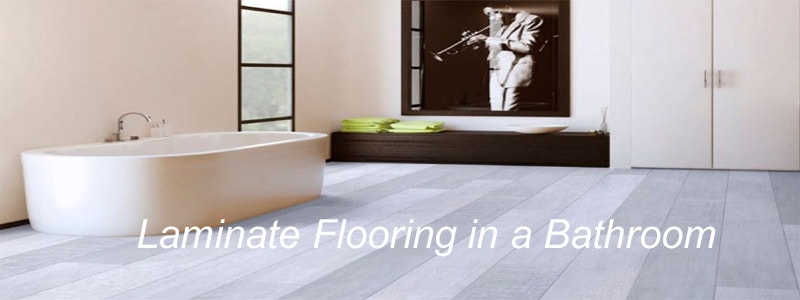
| If you want to know the best way to lay laminate flooring in a bathroom your as best advised to follow the flooring manufacturer’s instructions. Installing bathroom flooring is straightforward, only complicated by the number of items that need to be cut around. Be sure to buy laminate flooring that carries a warranty on bathroom installation. |
Installing bathroom flooring is a great weekend project that will not only give your bathroom a lift but will also give you a sense of accomplishment. Manufacturer’s generally offer three choices of laminate:
- tongue and groove
- glued
3. pre-glued
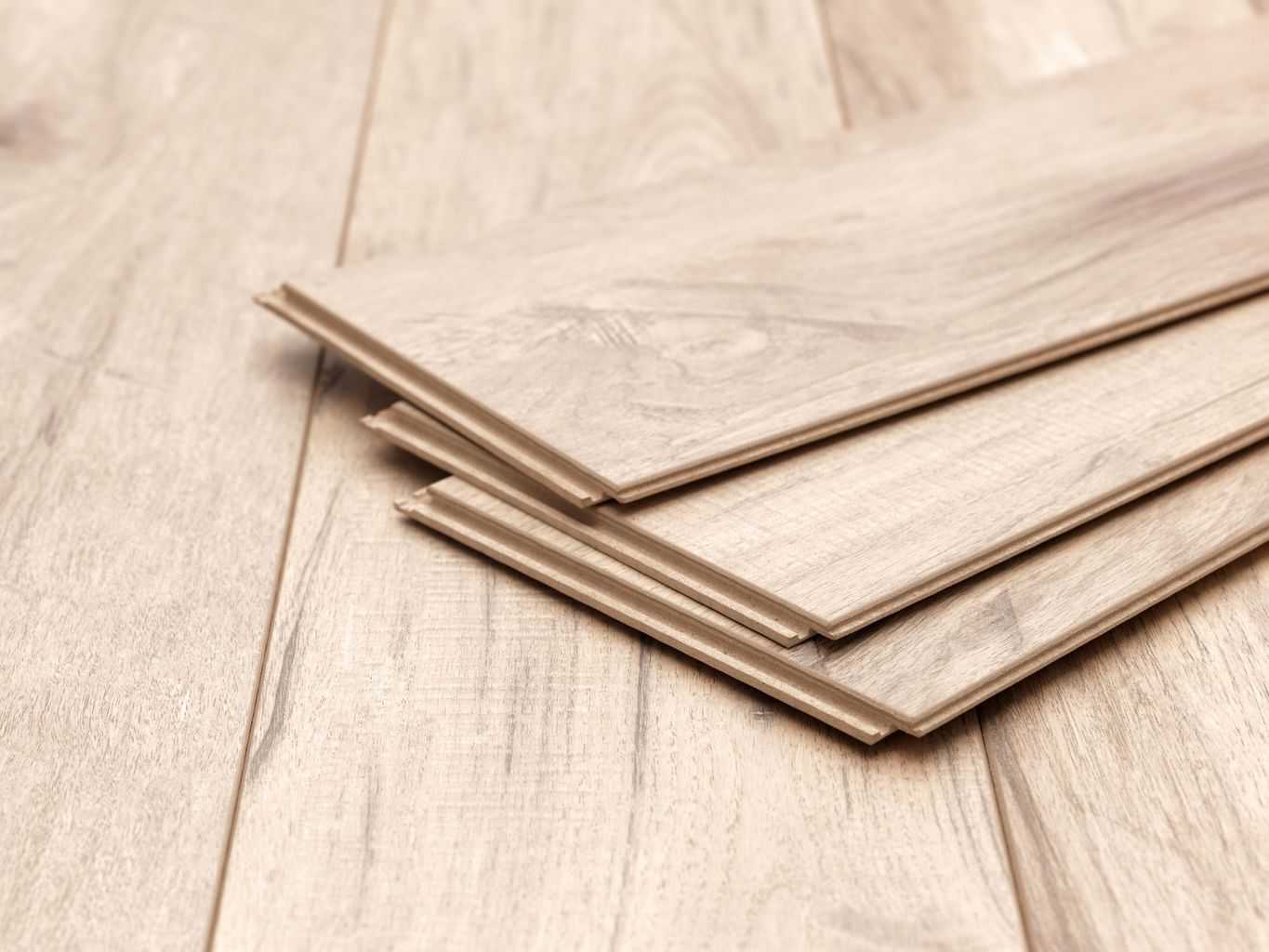
- The tongue and groove laminate flooring doesn’t require glue and is secured in place by locking pieces together like a puzzle. However, the edges usually require glue to seal the pieces together, leaving you with one giant piece of flooring.Tongues stand out past the completed wood. They slip into the scores which are indents or directs in the boards. Whereas the groove is used to lock the tongue in a particular place which keeps the board from getting displaced. While these floors are often more expensive than other laminate flooring, many homeowners choose this option because they are simple and don’t require clean up from glue.
Glued laminate flooring requires the application of special glue and various tools for proper installation including special glue, fillers and sealants, straps, tapping blocks, wedges and a pulling bar.Introducing overlay ground surface is a basic, direct process. Cover floors are once in a while called ‘drifting floors’ since they are not specifically affixed (stuck or nailed) to the sub-floor. In this process, the laminate flooring pieces are joined together and some filler elements are also used such as tapping blocks and wedges in order to cover the gaps. It’s important to carefully follow the manufacturer’s instructions and use their recommended tools because these supply requirements can vary from manufacturer to manufacture
Pre-glued laminate flooring makes gluing simple by using water to activate the glue.It is a combination of other installation processes. It is a little complicated method when compared to the glue laminating method .Simply wipe the flooring with a damp sponge before setting into place. Pre-glued laminate flooring requires the same special tools for proper installation and the manufacturer’s instructions must be carefully followed. It is adviced to stay away from the laminated floor for atleast 24 hours.
Whichever option you choose, laminate flooring is designed to be a “floating” floor, which means that the floor is not fixed or screwed to the sub-floor. By “floating”, the floor can expand and contract as environmental changes occur in the bathroom.One of the upside of overlay is that is less costly than hardwood – both material-wise and work savvy and it can regularly be set on top of existing deck without expecting to tear it up, so this spares more cash in labor.
While each manufacturer has its own installation instructions, some basic concepts apply to all installations.
Laminate flooring can be laid directly on an existing floor or concrete, as long as the existing floor is not glued or fixed to the cement. Laminating items arrive in an assortment of plans and hopes to suit any one’s tastes or stylistic layout. In the event that you need the look of genuine wood without the bother or high costs, overlay is your most solid option.Carpeting, however, must be removed. Remember, the floating floor principle requires that the floor be able to breathe. For best results, the existing flooring should be in good condition and as level as possible.
When the floor is fit together, it’s important to leave small gaps along the walls and not to lay a perfect wall-to-wall floor. Don’t worry, the gaps will never be seen because they are covered with baseboard molding. The same concept should be used when flooring up to other points of contact including cabinets, toilet’s closet flange (you actually remove the toilet before installing the flooring), round pipes, tub legs, etc. Be sure to leave 1/4″ to 1/2″ expansion gap, which will later be filled with sealant, so that the floor can remain floating.
Before installing the laminate floor itself, an underlay made of polyurethane, foam or other similar product may be required to cushion the floor, to absorb sound, and to restrict moisture from wicking up. Follow the recommendations of the laminate floor manufacturer for best results with the flooring you select. Also, check the manufacturer’s warranty to ensure bathroom installation is covered. If it’s not, keep searching until you find one that is.When you finish your cover floor venture, make sure to appreciate the room in which you have restored. Require some investment to loll in the excellence of having a less expensive distinct option for characteristic wood or stone ground surface while as yet having an incredible item that requires little upkeep and is very strong for a considerable length of time to come.
Regardless of which laminate flooring you select — tongue and groove, glued or pre-glued –laminates are an easy way to totally change the look of your bathroom. By following the manufacturer’s instructions on how to lay laminate flooring in a bathroom, your floor should last for years.
Is Using Laminate Flooring In Bathrooms A Good Idea?
Is using laminate flooring in bathroom applications a good idea? Laminate might not seem like an obvious choice for bathroom flooring at first glance. It's a wood composite with a printed wood image on top that most homeowners use for applications like bedrooms and living rooms.
However, if it's high quality laminate it can actually do pretty well in the bathroom if you're just tired of a tile floor. We've even seen it used as a contrast to tile applications in the shower and sink.

Pros Of Laminate Flooring In Bathroom Applications
It's Fairly Inexpensive
If you like the idea of a hardwood floor appearance in your bathroom but want to dodge drawbacks like a high price tag, laminate is a less expensive option. It can give you the appearance of an exotic hardwood without being quite as high priced. The high quality laminate options usually run $3-7 per square foot.
Laminate is Relatively Resistant to Humidity
Most organic flooring options are going to be more vulnerable to humidity-related damage than inorganic options like ceramic tile. However, the manufacturing process actually makes laminate one of the least vulnerable to warping and mold out of the organic flooring options.
It's Less "Slippery When Wet" Than Many Other Tile Options
If you are concerned about a member of your household who is not very steady on his or her feet and might fall on a wet bathroom floor, laminate can work better because it gets less slick when wet. Choose an option that doesn't feel especially slippery to the touch when you've sprinkled a little water on it and it'll be fine.
It Can Work Well With People Who Intend to Live in Their Homes for a While
Many people who intend to stay put for as long as possible usually aren't all that concerned about the value of their property as long as it's maintained well enough to be pleasant to live in. If you don't intend to sell your home anytime soon, the property value really only matters for property taxes. In this kind of case, the only thing that matters is your personal preferences for a new flooring installation.
Cons Of Laminate Flooring In Bathrooms Applications
It Can Lower Your Property Value
Most home buyers expect to see tile in bathrooms. Anything other than tile can be a turnoff in a room that gets a lot of humidity and the occasional leak. This is especially true if an organic flooring like laminate has not been well-maintained and has developed warping or mold problem.
Laminate Can Warp and Develop Mold Problems in a High Humidity Environment
The usual advice when maintaining an organic flooring option is to keep it as dry as possible. Wipe up spills as soon as possible and run a dehumidifier. In a bathroom, that might not always be possible, especially if you don't notice a leak at first. That means damage can occur in hidden places and not be noticeable until it poses a serious health hazard.
Laminate Might Not Save You Money in the Long Run
It is possible to get laminate for less than $3 per square foot, but the low-cost options may also be low quality and will deteriorate faster in a high humidity environment. If you are unsure about whether the manufacturer will honor the warranty for laminate used in a bathroom, be sure to ask the manufacturer before you install. For this reason, we recommend sticking to high quality options as much as possible if you want laminate flooring in your bathroom.
If You Want a Unique Floor Design, Laminate is Less Versatile Than Tile
Laminate can be “mixed and matched” to a certain extent, especially if you go for a print design other than wood. However, tile offers a lot of design options that often don't occur to people who are used to thinking of tile as a boring monochrome option.

Would laminate work for your bathroom floor? It's a tough sell if you are thinking about moving for any reason. If you don't intend to stay in your home for much longer or aren't certain, laminate may not be the best choice because it can bring down the value of your property.
If you intend to stay in your home for a while and want something that can contrast tile applications in areas other than the bathroom floor, laminate may be the choice for you. Laminate can work fine as long as you keep it maintained and keep your eyes peeled for signs of hidden damage.
Good guide. Thanks for the share.
You’re most welcome! ;~)